Search:
Menu:


Thought Transformation and Other Commentaries


Return to 'Thought Transformation and Other Commentaries' Home Page.


Essence of Refined Gold
by Venerable Thubten Chodron©
Sravasti Abbey, Washington, USA
January - May 2007


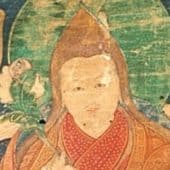
Venerable Chodron is currently giving teachings on "The Essence of Refined Gold" by the Third Dalai Lama, Gyalwa Sonam Gyatso. The text is a commentary on Lama Tzong Khapa's lamrim text, "Songs of Experience."

This teaching is broadcast live on the internet every Thursday night at 6 PM Pacific Standard Time. Click here for more info.

Click here to download the text in Word format.

The teachings began at the Winter 2007 Chenresig Retreat at Sravasti Abbey, 5 January through 8 March, 2007. Please see the Chenresig Retreat page for the first 10 talks on this subject.

The teachings will continue through 2007 and will be posted below as they become available.


Teachings on the Essence of Refined Gold by the Third Dalai Lama, Gyalwa Sonam Gyatso

27 March 2007

29 March 2007

  • Audio [43 minutes] : Download mp3 file
  • Q&A [25 minutes] : Download mp3 file
    • Was Atisha the first to conceptualize the three levels of practitioner?
    • Can you explain the idea of "practice in common with"?
    • Does the intermediate level practitioner practice insight meditation?
    • Is it important to contemplate the hell realms?
    • How can we be more aware of the suffering of others?

3 April 2007

  • Audio [56 minutes] : Download mp3 file
  • Q&A [13 minutes] : Download mp3 file
    • Is the 9 point death meditation the same as Phowa practice?
    • How can you help others at the time of death if you don't know their spiritual practice?

5 April 2007

  • Audio [51 minutes] : Download mp3 file
  • Q&A [11 minutes] : Download mp3 file
    • When we have difficulties with friends and relatives should we stay with them to work on transforming our minds?
    • When there is a sudden death how can we know what kind of karma ripens?
    • When people criticize us for practicing the Dharma what kind of attitude should we take?

17 April 2007

  • Audio [54 minutes] : Download mp3 file
  • Q&A [12 minutes] : Download mp3 file
    • Can you explain the end of the Vajrasattva practice. If nobody else can purify our negative karma, is Vajrasattva just validating that we
      have purified our own karma?
    • What kind of body do beings in the lower realms have?
    • When we are doing purification practice and we get sick or have pain is that a result of purification practice?

1 May 2007

3 May 2007

8 May 2007

  • Audio [48 minutes] : Download mp3 file
  • Q&A [12 minutes] : Download mp3 file
    • Can you explain more about the power of virtuous objects?
    • Can you explain how we receive blessings or in what way the mind opens to receive teachings from the Buddha?

10 May 2007

  • Audio [50 minutes] : Download mp3 file
  • Q+A [10 minutes] : Download mp3 file
    • How can you focus on teachings when you are distracted by daily activities?
    • What are some examples of holy or virtuous objects?

17 May 2007

22 May 2007

24 May 2007

29 May 2007

14 June 2007

28 June 2007

5 July 2007

  • Audio [41 minutes] : Download mp3 file
  • Q+A [23 minutes] : Download mp3 file
    • Do distorted views result in mental illness in future rebirths?
    • Can you clarify what is meant by mental karma?
    • Do you always actualize an intention karma?
    • What is the difference between intention karma and intended karma?
    • When you go to Dharma teachings are you using up positive karma to receive teachings?
    • What if I have the wish to do something positive for others, but I have limited finances?

12 July 2007

  • Audio [65 minutes] : Download mp3 file
    • Venerable Chodron continues to discuss karma, explaining five factors that determine the weight of karma: strength of intention, method in which the action is done, whether an antidote is applied, holding a distorted view and the object of the action. She also talks about what determines when karma is accumulated or not accumulated.

9 August 2007

  • Audio [61 minutes] : Download mp3 file
    • Ven. Chodron continues her commentary on the Third Dalai Lama's text as it begins the section on the practices in common with the intermediate level practitioner. Ven. Chodron talks about the first of the Four Noble Truths, the truth of suffering or dukkha. She explains the types of dukkha of cyclic existence including birth, aging, sickness and death. She explains how we should recognize that these are defects of cyclic existence and reasons to seek liberation. She also talks about healthy ways to approach aging, sickness and death.

16 August 2007

  • Audio [47 minutes] : Download mp3 file
    • Venerable Chodron continues the commentary on the text by the Third Dalai Lama. She talks about the dukka of samsara including the eight sufferings and the three types of dukka. Ven. Chodron explains why it is important to look realistically at the defects of cyclic existence. She also explains what renunciation, the determination to be free, is and is not.
    Q+A [13 minutes] : Download mp3 file
    • How can we prevent the deterioration of the mind in old age?
    • Why is being born in the form or formless realms considered an upper rebirth? It seems that you are not creating virtue and you may be creating non-virtue.
    • How do the pure lands relate to the form and formless realms?

23 August 2007

  • Audio [54 minutes] : Download mp3 file
    • Following the text by the Third Dalai Lama, Venerable Chodron talks about the second noble truth, the true origins of suffering or the source of dukka. She explains the root afflictions: attachment, anger, pride, ignorance, deluded doubt and deluded views. Ven. Chodron talks about how dukka is caused by the mental afflictions and not by external sources.
  • Q+A [10 minutes] : Download mp3 file
    • Is self-doubt deluded doubt?
    • Is self-doubt inverted pride?
    • What kind of things can help eliminate the delusion that the nominally existent self exists inherently?

30 August 2007

  • Audio [58 minutes] : Download mp3 file
    • Venerable Chodron continues talking about the origin of dukka or unsatisfactory experiences. She finishes talking about the root afflictions by explaining deluded views and the 5 types of deluded views. Ven. Chodron then turns to the truth of the path and how the Three Higher Trainings lead to liberation from cyclic existence

13 September 2007

  • Audio [54 minutes] : Download mp3 file
    • In this talk Ven. Chodron begins the section of the text on the advanced level practitioner who aspires to full enlightenment. She explains the difference between those that seek individual liberation and those seeking enlightenment for the benefit of others. She talks about the importance of developing equanimity as a preliminary practice to developing Bodhicitta and discusses how to meditate on equanimity.
    Q&A [10 minutes] : Download mp3 file
    • Does karma happen in this life in relation to specific persons because of what we did or they did in a past rebirth?
    • When we have anger or resentment toward others it seems because we have fear of getting hurt

27 September 2007

  • Audio [52 minutes] : Download mp3 file
    • Venerable Chodron finishes talking about developing Bodhicitta using the seven point cause and effect practice. In this talk she discusses great love and great compassion and the meditations used to develop these. She talks about what is real happiness. She also explains the extraordinary attitude or great resolve.
    Q+A [11 minutes] : Download mp3 file
    • How long did it take you to become a nun?
    • Can you briefly explain karma?
    • If certain beings have been our mothers, what happened that now they are cockroaches?

4 October 2007

  • Audio [61 minutes] : Download mp3 file
    • Venerable Chodron begins explaining the second method for developing Bodichitta, Shantideva's method of equalizing and exchanging self and others. In this talk she discusses the first step of the method, equalizing self and others. Ven. Chodron explains the nine points of the meditation and how self and others are equal on a conventional and ultimate level

11 October 2007

  • Audio [68 minutes] : Download mp3 file
    • Venerable Chodron talks about the next step in equalizing and exchanging self and others, seeing the disadvantages of self-centeredness. She explains how the self-centered mind is the cause unhappiness. She talks about how to view the self-centered mind and work with it. The self-centered mind depends on causes and conditions, it is based on false conceptions, it is not a permanent solid thing and can be eliminated.

18 October 2007

  • Audio [45 minutes] : Download mp3 file
    • Venerable Chodron continues explaining the equalizing and exchanging self and others method of developing Bodhicitta. In this talk she covers the two steps of contemplating the advantages of cherishing others and exchanging self and others. She talks about how cherishing others in a sincere way brings about our own happiness and the happiness of others in this life and in future lives.
    Q+A [17 minutes] : Download mp3 file
    • Can you clarify how the collection of merit and wisdom lead to the different bodies of the Buddha?
    • In the historical form, did the Buddha achieve Buddhahood or was that an emanation?
    • From the Mahayana viewpoint can one attain Buddhahood in a human life?
    • The inspiration of the Buddha's life.
    • Do you do tonglen after exchanging self and others

25 October 2007

  • Audio [61 minutes] : Download mp3 file
    • Venerable Chodron explains the meditation on taking and giving and how it is used to cultivate love and compassion and decrease self-centeredness. She explains the visualizations of the meditation and how to imagine taking the suffering of others and giving them our happiness

8 November 2007

  • Audio [52 minutes] : Download mp3 file
    • Venerable Chodron continues the teaching on the Third Dalai Lama’s text. She explains how the cause of not losing Bodhicitta in future lives relies on abandoning the four harmful Dharmas and relying on the four constructive
      Dharmas. She explains these four pairs. She also talks about aspiring and engaging Bodhicitta.
    Q+A [12 minutes] : Download mp3 file
    • When taking refuge and precepts, why do we ask our preceptor to care for us as a Buddhist and not as a human being?
    • What are we actually meditating on when we mediate on love and Bodhicitta?
    • What are some indicators when you are generating pity and not compassion?

15 November 2007

  • Audio [53 minutes] : Download mp3 file
    • Venerable Chodron begins the section of the text on the six far-reaching practices. In this talks she explains the far-reaching attitude of generosity. She explains three types of generosity, the generosity of giving the Dharma, the generosity of giving protection, and the generosity of giving material goods. She also talks about four hindrances to giving material goods.
    Q+A [10 minutes] : Download mp3 file
    • When we practice exchanging self and others, could we accentuate the difference between ourself and others?
    • Is making an offering of practice or dedicating a practice giving the Dharma?
    • Are there more kinds of generosity such as generosity of silence during retreat?

29 November 2007

  • Audio [50 minutes] : Download mp3 file
    • Venerable Chodron finishes talking about the far-reaching practice of generosity and then covers the far-reaching practice of ethical conduct. In regard to generosity she talks about what objects should given and what should not. She also explains who are special objects with which we should practice giving and create strong karma. Ven. Chodron goes on to explain the three kinds of ethical conduct and the four factors that can lead us to create negative actions and the antidotes to these.
    Q+A [18 minutes] : Download mp3 file
    • When we talk about the cause of a precious human life there are three main causes - ethical conduct, the far reaching practices, and dedication prayers. What is the difference between the first two, ethical conduct and the far-reaching practice of ethical conduct? And does it have to be the far-reaching practices?
    • When we are being generous couldn't we be encouraging someones bad habits?
    • When you see someone who acts in two-faced ways, phony or dishonest, how can we work with our feelings when we encounter these kinds of people

6 December 2007

  • Audio [60 minutes] : Download mp3 file
    • Venerable Chodron continues talking about the far-reaching practice of ethical conduct. She explains three kinds of ethical conduct: the ethical conduct of avoiding destructive actions, the ethical conduct of accumulating virtue and the ethical conduct of benefiting sentient beings. She goes on to talk about the specific categories of sentient beings we should go out of our way to benefit.

3 January 2008

  • Audio [62 minutes] : Download mp3 file
    • Venerable Chodron completes the section of the text on the far-reaching practice of ethical conduct and the ethical conduct of benefiting others.She begins talking about the far-reaching practice of patience. She explains the specific meaning of patience and its benefits.

10 January 2008

  • Audio [51 minutes] : Download mp3 file
    • Venerable Chodron continues the commentary on the Third Dalai Lama's text. She continues the explanation of the far-reaching practice of patience. Ven. Chodron talks about the three types of patience: the patience of not retaliating, the patience of enduring suffering and the patience of practicing the Dharma. She covers the first two in this talk. She discusses how it takes more courage to forgive and give up anger than giving into anger. Ven. Chodron also talks about enduring suffering without becoming a victim and taking action with peaceful and
      kind mind.
    Q+A [8 minutes] : Download mp3 file
    • If positive karma can be diminished or destroyed by anger, what are we doing to negative karma when we do purification?
    • Practicing patience isn't just putting a damper on anger but having a happy mind but at first when practicing patience it is all I can do just to not get angry. The happy mind is not there.
    • A situation will happen that I don't like and I get confused if it is something I should deal with or not. I get irritated and ruminate on it. What can I do?

17 January 2008

  • Q+A [48 minutes] : Download mp3 file
    • I am have difficulty seeing the source of my angry response. Where is it coming from? Why this instantaneous explosive reaction?
    • Does self inflicted suffering purify previous negative karma?
    • Is the exhaustion and discomfort from working out or exercise purification of karma?
    • What is the opposite of attachment? Is it hatred?
    • Does self-inflicted pain create negative karma?
    • Self-cherishing versus valuing ourself.
    • In regard to purification, what are the factors that determine if karma is delayed, diminished or burned up?
    • Sometimes when we look historically at some lineage masters they appear to be practicing extreme asceticism or self-indulgence.
    Audio [14 minutes] : Download mp3 file
    • Venerable Chodron continues talking about the far-reaching practice of patience or fortitude. She talks about the third kind of patience, the patience of practicing the Dharma. She explains the benefits of patience to deal with the mental and physical difficulties of practicing the Dharma.

24 January 2008

  • Audio [62 minutes] : Download mp3 file
    • Following the Third Dalai Lama's text, Ven. Chodron talks about the far-reaching practice of joyous effort. She explains the three types of laziness and how they interfere with Dharma practice. She also talks about not settling for the "low quality happiness" of samsara and what it means to be kind to yourself.

31 January 2008

  • Audio [52 minutes] : Download mp3 file
    • Ven. Chodron continues the explanation of the far-reaching practice of joyous effort. She talks about what joyous effort is and is not explaining that it is not pushing ourself in our practice or making it a burden. She talks about taking joy in our Dharma practice and having a happy mind that takes joy in doing things that are virtuous. Ven. Chodron goes on to explain armor-like joyous effort, joyous effort that rests in wholesome Dharma and the joyous effort that works for the welfare of others.
    Q+A [8 minutes] : Download mp3 file
    • If there is no self, who is making the choice when we make a decision?
    • Is there a point on the path when things we do are non-volitional?
    • How can you tell the difference between when you are pushing and when there is joyous effort?
    • What is the meaning of the Buddha's mantra:
      Tayata om muni muni maha muniyea soha
      ?

7 February 2008

  • Audio [53 minutes] : Download mp3 file
    • Venerable Chodron finishes the explanation of the far-reaching practice of joyous effort talking about Santideva's four qualities for counteracting laziness and developing joyous effort. She also discusses the lamrim meditations that can make the mind joyful. Ven. Chodron then begins the explanation of the Third Dalai Lama's text on the far-reaching practice of meditative stabilization. She talks about techniques to counteract tiredness and distraction during meditation.
    Q+A [13 minutes] : Download mp3 file
    • As we become more reliable for ourselves and others, how do we work through the boxes others have placed us in? Even though they are just another person's labels sometimes they are difficult to overcome.
    • In the Pali Canon when it talks about how the Buddha practiced before he attained enlightenment did he go through the jhanas?
    • Are all of the jhanas on the Bodhisattva path?
    • Keeping precepts and ethical discipline and developing concentration.

14 February 2008

  • Audio [62 minutes] : Download mp3 file
    • Venerable Chodron continues talking about the far-reaching practice of meditative stabilization. She talks about hindrances to developing concentration that arise in our mind. She explains five hindrances to developing meditative stabilization: attachment to sense pleasure, malice and ill will, sloth and torpor, restlessness and worry, and doubt.

21 February 2008

  • Audio [64 minutes] : Download mp3 file
    • Ven. Chodron continues discussing the far-reaching practice of meditative stabilization. She explains six conditions for developing meditative stabilization. She also talks about meditation posture, dealing with physical pain during meditation and the mental reaction to physical pain. Ven. Chodron then begins explaining the second set of hinderances to developing concentration as described by Asanga and Maitreya.

28 February 2008

  • Audio [40 minutes] : Download mp3 file
    • Venerable Chodron continutes explaining the far-reaching practice of concentration. She finishes the explanation of the five faults or hinderances to developing concentration according to Asanga and Maitreya. She explains the eight antidotes to these hindrances and how to apply them.
    Q+A [20 minutes] : Download mp3 file
    • In our practice when do we stop and practice concentration?
    • If subtle laxity can be mistaken for samadhi, how can you tell the difference?
    • Can you explain the type of equanimity used as the antidote to over applying the antidotes?
    • In gross laxity is the object of meditation blurry?
    • How do you overcome negative thoughts that arise during meditation, especially when they are constant?
      [20 minutes]

6 March 2008

  • Audio [66 minutes] : Download mp3 file
    • Venerable Chodron continues explaining the far-reaching practice of meditative stabilization. In this talk she covers the nine mental abidings or nine steps on the path to gaining serenity. She also discusses the four types of mental engagement used in the nine steps. Ven. Chodron goes on to explain access concentration and the four jhanas or meditative stabilizations

24 April 2008

  • Audio [66 minutes] : Download mp3 file
    • Venerable Chodron begins the explanation on the far-reaching practice of wisdom. She talks about why the topic of emptiness is important. She explains how ignorance that grasps at true existence is the root cause of suffering and dissatisfaction. Cutting the root of ignorance by realizing emptiness and seeing how self and things truly exist frees us from the cyclic existence and its suffering. She also explains how we should make ourselves suitable vessels to the teachings on emptiness.

1 May 2008

  • Audio [66 minutes] : Download mp3 file
    • Ven. Chodron continues the commentary on the far-reaching practice of wisdom. In this talk she explains the benefits of listening to teachings on emptiness and the prerequisites for the special insight that realizes emptiness. Ven. Chodron also talks about the different tenet systems and their views of emptiness. She explains the difference between definitive and interpretable teachings.


Back to Top


What's New  |  Home  |  About Ven. Thubten Chodron  |  Activities  |  Audio Library  |  Publications
Daily Life Dharma  |  Dealing With Emotions  |  Death & Dying  |  Prison Dharma  |  Youth & the Dharma
Travels  |  Dharma Guidance on Current Events  |  FAQ  |  Gradual Path to Enlightenment (Lamrim)  
Lamrim Articles/Transcripts  |  Thought Transformation & Other Commentaries  |  Prayers & Practices
Meditation  |  Retreat  |  Monastic Life  |  Science & Buddhism  |  Interreligious Dialogue  
Other Articles/Audio  | Other Resources  |  Sravasti Abbey  |  Links  |  About Us  |  Email Webmaster


All rights reserved. No part of this article may be reproduced by any means for commercial purposes or mass circulation without prior written permission from the webmaster who will communicate your request to Ven. Thubten Chodron. You're welcome to download for your own personal reading.
Please also contact the webmaster if you find any mistakes or broken links.